
If I could share one truth from years of working with students and families, it’s this: the kids who truly thrive long-term aren’t always the straight-A students. They’re the ones who are curious, confident, emotionally aware, socially capable, and academically supported. In other words: well-rounded.
And I know what you might be thinking… “Great, Lauren. But how exactly do we do that without burning everyone out?” Let’s talk about it.

Academic Strength Matters — But It’s Only One Piece
Academics absolutely matter. Strong reading, writing, math, and critical thinking skills open doors. But when academics become the only focus, kids can miss out on essential life skills like resilience, creativity, collaboration, and emotional regulation.
A well-rounded student:
Knows how to learn, not just memorize
Feels comfortable asking questions
Understands their strengths and growth areas
Builds confidence through multiple experiences
Private tutoring can actually help here, not by adding pressure, but by creating academic efficiency so kids have time and energy for other pursuits.

Extracurriculars Build Invisible Superpowers
Sports, music, volunteering, theater, coding clubs, debate, whatever sparks interest, these activities build skills that classrooms sometimes can’t.
They help kids develop:
Leadership and teamwork
Time management
Emotional resilience after setbacks
A sense of identity beyond school
And here’s something parents don’t always realize: colleges and future employers increasingly value depth of engagement over perfect transcripts alone.

Emotional Intelligence Is Academic Fuel
Students who can manage stress, communicate clearly, and regulate emotions often perform better academically because they’re not stuck in overwhelm.
Ways to nurture this:
Family conversations about feelings and challenges
Reflection after successes and failures
Modeling calm problem-solving
Encouraging independence gradually
These aren’t “soft skills.” They’re success skills.
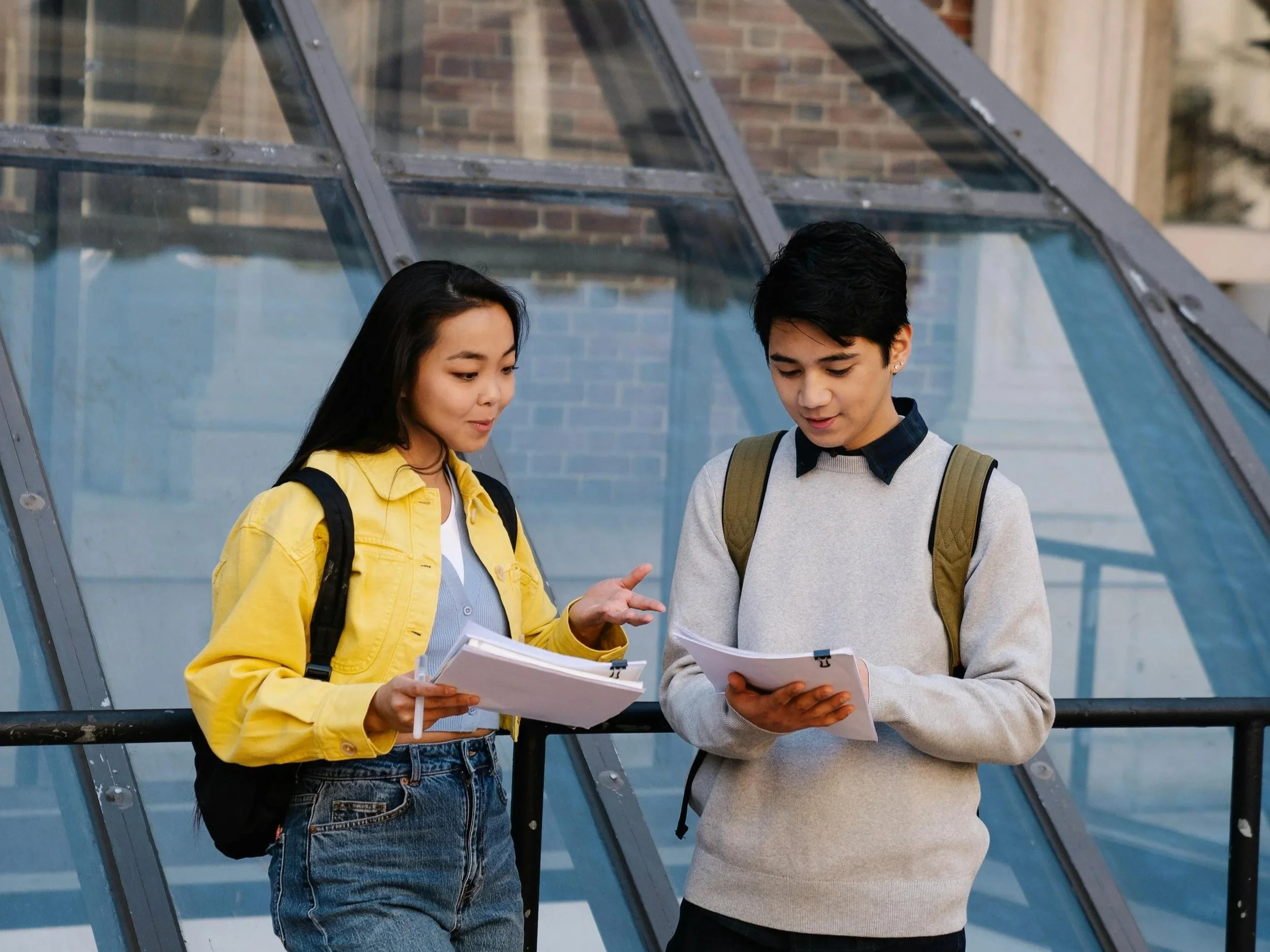
Where Private Tutors Fit In
A good tutor doesn’t just teach content. They help students:
Learn efficient study strategies
Build confidence in tough subjects
Develop independence
Reduce family homework stress
This often frees parents to focus on connection rather than correction, a game changer for family dynamics.
The Bigger Goal
We’re not raising perfect report cards.
We’re raising capable humans.
Let’s Support Your Child Together
If you want guidance on creating balance, strengthening academics, or helping your child grow into a confident, well-rounded learner, I’d love to help.